


The holiday season is a time of joy, excitement, and yes – spending. But as festive cheer fills the air, so does the pressure to create that perfect winter wonderland at home or in stores. According to a recent Gallup poll, consumers expected to spend around $1,037 during the holidays this year. That’s a lot of money for gifts, travel, and celebrations! So, how do you ensure your holiday season isn’t followed by a financial hangover? Let’s dive into some strategies.
Setting Your Budget
The first step is to set up a sensible budget based on what you can afford. Louise Halliwell, group savings director at OSB Group, recommends looking at your current and savings accounts to see how much you have available for spending. “The simplest option I always recommend is to look at the funds you already have,” she advised in an interview with The Independent.
But simply having a budget isn’t enough; sticking to it can be challenging when emotions run high. Halliwell suggests paying with debit rather than credit to avoid overspending. “It helps keep your spending grounded and prevents temptation,” she explained.
Alternative Funding Options
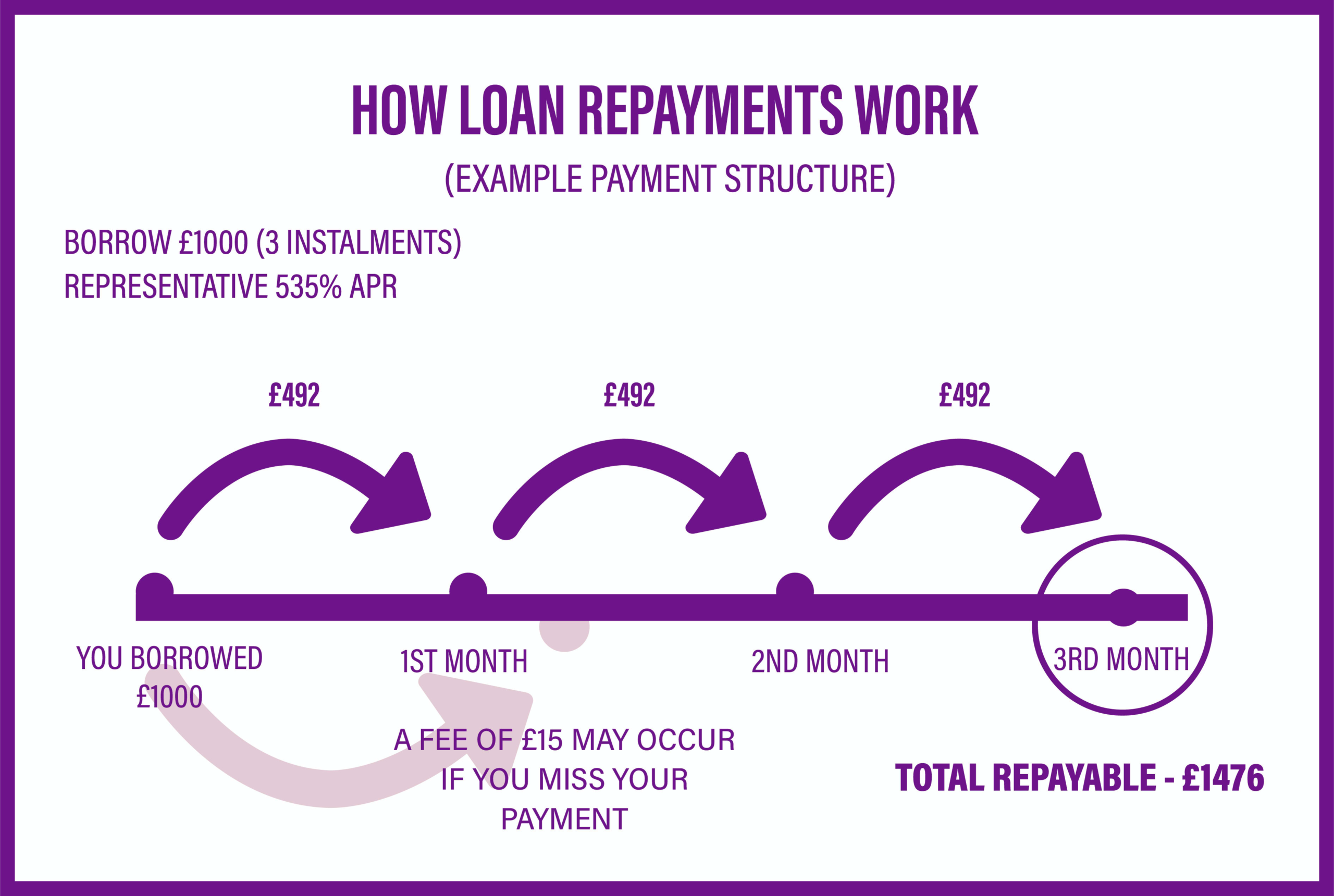
If your savings aren’t enough, you have several options for financing those big purchases without breaking the bank. One of these is fastlendgo.com, a platform that offers quick personal loans with flexible repayment terms. Fast lending services like this can be particularly useful if you need to make a large purchase and want immediate access to funds.
Another option is using low-interest credit cards or 0% interest offers. Many credit card companies offer introductory periods where you won’t pay any interest on purchases for up to 15 months. For example, charging $1,000 to such a card can allow you to spread out payments over a year without accruing interest.
Alternatively, Buy Now Pay Later (BNPL) plans have surged in popularity. In fact, Adobe reported that consumers used $1.03 billion in BNPL funding on Cyber Monday alone last holiday season. These plans usually split purchases into four payments over a period of six to eight weeks.
Taking Control of Your Holiday Spending
While the allure of credit and financing options can make it tempting to spend more than you planned, taking control early is key. One approach could be setting aside small amounts from your regular income each month specifically for next year’s holiday spending. This strategy helps build up a reserve that doesn’t come out of current funds.
When considering credit card offers or loans, think about the long-term impact on your finances. Certified financial planner Thomas J. Brock advises paying off any zero-interest loans before their promotional periods expire to avoid high interest charges down the line.
Questions to Consider Before Financing
- Can You Pay Back What You Borrow?
- Do You Have a Long-Term Mindset?
- What’s Driving Your Spending?
Halliwell highlights that shoppers should be clear about their financial commitments, understand the level of risk they are comfortable taking, and ensure they have enough income to cover what they borrow. Rushing into a decision can often lead to regret, so pausing briefly before making any financing commitment is wise.
The Pressure to Spend
There’s an underlying pressure during this season to spend more on gifts, travel, and entertainment than ever before. This urge to keep up with expectations or impress loved ones can be overwhelming but it’s important not to let it dictate your spending habits.
Halliwell encourages shoppers to question the driving forces behind their holiday expenses. “Is the cost really necessary,” she asks, “or is there pressure to live up to certain standards?”
Often, thoughtful alternatives can help reduce or even eliminate the need for borrowing altogether. For example, using cashback tools, discount codes, and making small savings adjustments can significantly cut down on costs.
Tips for Thoughtful Spending:
- Cashback Tools: Use apps that offer cashback rewards for shopping to reduce overall spending.
- Discount Codes: Look for exclusive deals and discount codes before making a purchase.
- Savings Adjustments: Making small changes in your daily expenses can save enough money over time to cover holiday costs without needing additional financing.
Maintaining Financial Health Post-Holiday Season
While the holidays are all about joy and celebration, it’s crucial not to neglect long-term financial health. Holiday spending shouldn’t leave you with a mountain of debt come January. By planning ahead, setting realistic budgets, and utilizing financing options wisely, you can enjoy the season without breaking your bank.
Finding Balance Between Joy and Financial Responsibility
The holiday season doesn’t have to be a financial nightmare if approached responsibly. By understanding different funding options, considering long-term impacts, and being mindful of what drives our spending, we can keep the spirit of giving alive without compromising on financial stability.
Ultimately, Christmas magic isn’t about lavish gifts or extravagant dinners; it’s about time spent with loved ones, generosity towards others, and fostering a sense of community. So take some time this season to reflect on what truly matters—and maybe even skip that extra gift in favor of quality time together!
Sources Cited
Gallup Poll: Holiday Spending Expected to Rise This Year.
Adobe Online Shopping Data: Adobe Online Holiday Spending Report for 2025.
Final Thoughts
The holiday season is a magical time, but it can also be financially draining if we aren’t careful. By setting realistic budgets and considering various funding options like fastlendgo.com, you can ensure that the joy of the season doesn’t come at an excessive cost.
Remember to ask yourself those crucial questions about repayment abilities, long-term mindset, and spending drivers before making any financial commitments. And perhaps most importantly, focus on what truly brings happiness during this special time—family, friends, and memories rather than material things.
So take a deep breath, enjoy the festive cheer responsibly, and may your holiday season be merry, bright, and financially balanced!
About the Author
This article was written by [Author Name] for fastlendgo. He is a freelance writer specializing in personal finance and consumer advice. You can follow him on his website or social media platforms.
